Asset Classes

Different types of Assets

TRI Property Capital provides a clear and structured commercial property purchasing advice across a broad range of Australian commercial property asset classes. We assess each opportunity against our clients' investment objectives, risk profile and long-term strategy.

Our Approach

An institutional approach to commercial property purchasing

Every client purchasing requirement is assessed through a clear and structured investment strategy. We consider the quality of the location and tenants, lease structure, market fundamentals, development potential, risk exposure and prospects for long-term capital growth.

  • Location and market fundamentals
  • Tenant quality and covenant strength
  • Lease structure and income profile
  • Asset condition and capital requirements
  • Development and value-add potential
  • Risk and long-term growth prospects
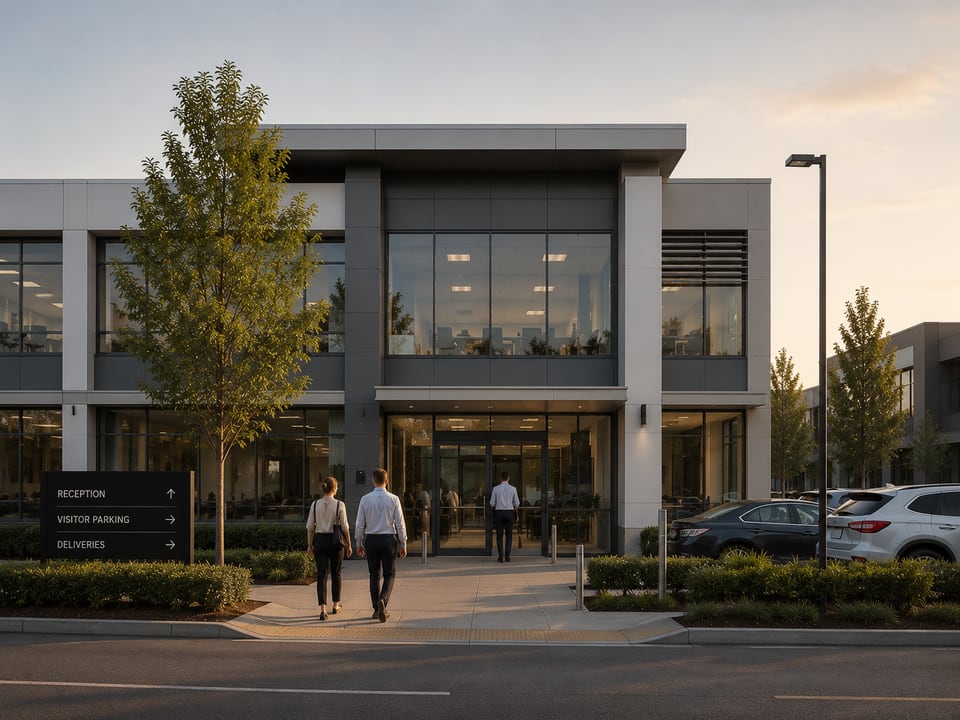
Modern commercial office building at twilight

Office

Office asset type includes CBD towers, suburban office buildings, business parks and strata office suites occupied by professional services firms, government agencies and corporate tenants. Performance is influenced by location, tenant demand, lease quality, building amenity and the competitiveness of the surrounding office market.

Potential benefits

  • Longer lease opportunities
  • Established corporate and government tenants
  • Depreciation benefits
  • Potential to add value through refurbishment and leasing

Key considerations

  • Exposure to economic and employment cycles
  • Vacancy risk in weaker office markets
  • Fit-out contributions and leasing incentives
  • Ongoing capital expenditure and building upgrades

Contemporary retail storefront with evening lighting

Retail

Retail asset type ranges from neighbourhood shops and high-street premises to large-format retail and freestanding buildings. Performance is generally influenced by population growth, household spending, tenant quality, accessibility and the strength of the surrounding catchment.

Potential benefits

  • Strong income potential in well-located assets
  • Opportunities for structured rental growth
  • Essential-service tenants may provide greater stability
  • High-exposure locations can support tenant demand

Key considerations

  • Performance may be affected by consumer spending
  • Retail formats and customer behaviour continue to evolve
  • Tenant turnover can increase leasing and management costs
  • Location and catchment quality are critical
Industrial warehouse and logistics facility with loading docks

Industrial

Industrial property includes warehouses, logistics facilities, manufacturing buildings, trade centres and industrial strata units. Demand is influenced by logistics networks, e-commerce, supply-chain requirements and access to major transport infrastructure.

Potential benefits

  • Strong occupier demand in well-located precincts
  • Longer lease terms
  • Relatively efficient management
  • Attractive income yields
  • Potential for development or expansion

Key considerations

  • Location and transport access are critical
  • Construction and replacement costs can fluctuate
  • Heavy-vehicle access and servicing requirements
  • Building configuration may affect future leasing demand
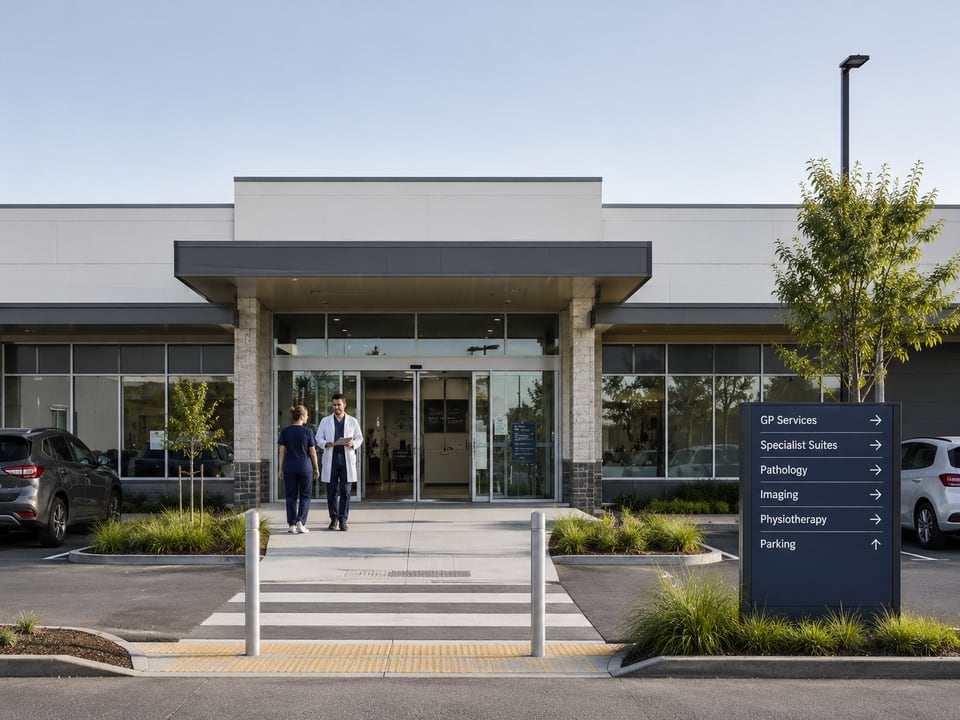
Contemporary medical centre exterior

Medical

Medical asset type includes medical centres, specialist consulting suites, allied-health facilities, day hospitals and healthcare precincts. Demand is supported by population growth, demographic change and continued expenditure across healthcare services.

Potential benefits

  • Defensive demand characteristics
  • Longer-term tenant relationships
  • Potential for stable rental income
  • Supportive demographic fundamentals

Key considerations

  • Specialised fit-outs and compliance requirements
  • Higher fit-out and replacement costs
  • Tenant relocation can be more complex
  • Suitability may depend on access, parking and surrounding services
Large shopping centre complex illuminated in the evening

Shopping Centres

Shopping centres include neighbourhood, sub-regional and regional centres anchored by supermarkets, discount department stores and national retailers. Income is generally diversified across multiple tenants and influenced by the strength of the centre's trade area.

Potential benefits

  • Diversified income streams
  • National or essential-service anchor tenants
  • Underlying land value
  • Potential redevelopment or mixed-use opportunities

Key considerations

  • Active asset management requirements
  • Ongoing capital expenditure and centre upgrades
  • Exposure to consumer spending and retailer performance
  • Leasing strategy and tenancy mix require careful management
Aerial view of development land subdivided for future use

Development Land

Development land can create value through subdivision, rezoning, industrial estates, commercial development or mixed-use projects. Returns are generally dependent on site acquisition, planning outcomes, market timing and disciplined development execution.

Potential benefits

  • Potential for significant capital growth
  • Substantial value-add opportunities
  • Flexible development strategies
  • Potential to generate development margins

Key considerations

  • Longer investment and delivery timeframes
  • Planning, approval and execution risk
  • Holding and financing costs before development
  • Market conditions may change during the project lifecycle
Specialised commercial facility representing alternative asset sectors

Specialised Assets

Specialised assets include data centres, childcare centres, service stations, self-storage facilities, cold storage, fuel depots, aged-care facilities, transport infrastructure and other purpose-built investments. These properties often require sector-specific knowledge and technical due diligence.

Potential benefits

  • Strong barriers to entry in some sectors
  • Limited competing supply
  • Potential for longer lease structures
  • Demand from specialist and institutional investors

Key considerations

  • Specialist operational and technical due diligence
  • A more limited tenant or buyer pool
  • Higher property-specific complexity
  • Alternative-use potential may be constrained
Investment Strategy

The right asset depends on the strategy

No single commercial property asset class is suitable for every investor. Income objectives, investment timeframe, capital position, risk tolerance and management requirements all influence which opportunities should be considered.

Our role is to independently assess these factors and identify commercial property opportunities aligned with each client's strategy.

Looking for your next commercial property opportunity?

Speak with TRI Property Capital about your investment objectives and acquisition requirements.